


Dry Eye Clinic
If you suffer from dry eyes, you are not alone. Dry eye disease is a common problem that affects millions of Americans of all ages. If you have ever experienced sore, red, itchy eyes or had trouble wearing contact lenses, you may have dry eye. Fortunately, there are steps you can take to help prevent and manage this condition. Our dry eye experts at Moorhead Vision Associates will look into your condition and give you comfort.
What is Dry Eye?
Dry eye is a common condition where your tears do not produce adequate lubrication for your eyes. Your eyes need lubrication to see well and feel healthy. Tears keep the eye moist and wash away dirt and harmful microorganisms.
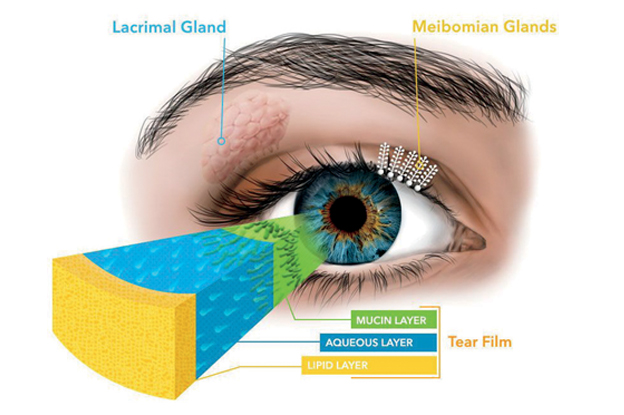
Tears are composed of three layers: an oily layer, an aqueous layer, and a mucus layer. Each tear layer serves a vital function.
- The oily layer coats the outside and keeps the tear from evaporating prematurely.
- The aqueous layer takes up most of the eye and washes away particles.
- The mucus layer is in the core of the tear and helps the tear stick to the eye.
Each tear layer is produced by a gland on or near the eye. Any dysfunction of these components can cause tear instability, which leads to Dry Eye Disease.
Symptoms of Dry Eye
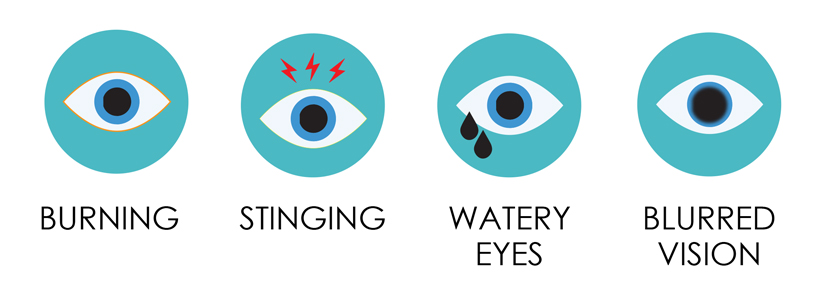
Symptoms of dry eye disease depend vary from each person. Almost every adult has experienced symptoms of dry eyes. However, not everyone experiences discomfort. Some dry eye symptoms include:
- Stinging or Burning
- Excessive Tearing
- Discharge
- Pain
- Redness
- Feeling like Something Is in Your Eye
- Blurry or Fluctuating Vision
- Itchy Sensation
If left untreated, dry eye could increase in severity and lead to fluctuating vision, reduced sharpness, and scarring of the cornea.
Our vision and eye health is dependent on our tear film which is comprised of a mucin layer, a water layer and an oil layer. Some of us do not make enough aqueous tears for the water layer and many of us do not make enough lipid tears for the oil layer of the tear film which results in dry eye disease.
Dry Eye Causes
Many factors can influence the onset of dry eye. One common cause we increasingly see is a computer, smartphone, or other electronic device used for an extended time. When we look at digital screens, we tend to blink less, which leads to tear evaporation and dry eye.
Some other common causes of dry eye include:
- Contact Lens Wear
- Indoor and Outdoor Environments
- Smoking or Vaping
- Aging
- Medication
- Diet
- Eyelid Hygiene
What is Meibomian Gland Dysfunction?
Meibomian gland dysfunction (MGD) refers to the decreased function of the glands in our eyelids that secrete the oil layer of our tears. The pores/openings of the glands are immediately behind the eyelashes, so each time we blink and touch our eyelids together, the force of the touch squeezes oil from the glands.
Since oil floats on top of water, it acts as a protective layer which prevents the water beneath from evaporating too quickly. Many factors can contribute to the decrease of meibomian gland function.
- Blinking
Most of us don't blink often enough or completely & as a result, little to no oil is released from the meibomian glands contributing to blockage.
- Aging
As we age, the oil in the glands becomes thicker & meibomian glands degenerate.
- Omega-3
There is also evidence that too few dietary omega-3s contributes to the problem.
When the protective oil layer is missing from our tears, the water layer evaporates causing the many signs and symptoms of dry eye disease.
Dry Eye Treatment
For those with mild dry eye symptoms, there are a few things you can do to rejuvenate your dry eyes.
Some of these options include:
Omega-3 Supplement
Oral fish oil supplementation helps produce more oil in the tear film and improves the quality/stability of our tear film to prevent evaporation of tears. Dosage of the appropriate omega-3 supplementation can be viewed on most supplement packaging under the "Supplement Facts" heading.
- EPA + DHA totaling at least 750mg daily.
- If you cannot or prefer not to take a fish oil supplement, flaxseed or other omega-3 supplements can be used. Rather than EPA+DHA, flaxseed has ALA + GLA and a total of at least 750 mg should be targeted.
Dry Eye Therapy Masks
A dry eye therapy mask helps reduce inflammation within the oil glands of our eyelid and improves the flow/production of the oils from our eyelids. The glands get plugged with thickened oils and the heat melts these plugs to allow the oils to flow. If these glands are plugged for too long the glands can die off and may not be recoverable.
- Dry eye therapy masks look like a sleep mask with little beads or gel inside which you microwave for 10 to 20 second bursts until it is hot but not so hot that it burns you. Place on your closed eyes for 6-10 minutes once daily. (Note: You may prefer to do this at night due to the heat and pressure applied causing redness of the eyes and blurred vision temporarily).
- A hot washcloth, by itself, unfortunately is not a good alternative due to the fact it loses heat far too quickly (after approx. 2 minutes) and needs to be reheated not allowing for the full heat treatment of the eyelids.
Artificial Tears
Artificial tears or rewetting drops can be used as needed to help improve comfort and quality of vision in a more immediate/as needed nature. Oil-based drops are the recommended form of artificial tear for evaporative dry eye. Bottles containing preservatives can be used up to six times per day. Preservative free vials can be used as much as you want without limitation other than after the vial is opened it needs to be thrown away after 24 hrs. Examples of oil based drops are:
- Refresh Optive Advanced
Preservative free vials or bottle form
- Refresh Optive Mega-3
Preservative free vials.
- Systane Complete
Preservative free bottle or preservative containing bottle
- Soothe XP
Preservative free vials or bottle form
- Retaine MGD Formula
Preservative free vials
- FreshKote
Preservative free bottle
- Blink Triple Care Eyedrops
For those who spend extended amounts of time in front of computer screens, there are a few things you can do to help prevent dry eye:
- Lower your screen brightness and position your screen farther away from your face.
- Use the 20-20-20 rule: for every 20 minutes, you should look at something 20 feet away for at least 20 seconds to relax your eyes.
- Remember to blink often to rehydrate your dry eyes.
Schedule a Dry Eye Appointment
If you are experiencing dry eye, it is essential to schedule an appointment with our dry eye specialist. Our team of experts can help you find relief from your symptoms and improve your overall eye health. Schedule an appointment with Moorhead Vision Associates today!
Quick Links
Helpful Articles
article_category: products
article_category: psychiatry
article_category: faqs
article_category: cats
article_category: general
article_category: services
article_category: technology
article_category: dogs
article_category: restorative
article_category: vision therapy
article_category: contact lenses
article_category: health
article_category: conditions
article_category: eye surgery co-management
article_category: exotic
article_category: cosmetic
article_category: surgical procedures
article_category: aesthetics
article_category: preventative
article_category: ocular disease management
article_category: eyeglasses
article_category: eye health
article_category: large animal
[]
article_category: psychiatry
article_category: faqs
article_category: cats
article_category: general
article_category: services
article_category: technology
article_category: dogs
article_category: restorative
article_category: vision therapy
article_category: contact lenses
article_category: health
article_category: conditions
article_category: eye surgery co-management
article_category: exotic
article_category: cosmetic
article_category: surgical procedures
article_category: aesthetics
article_category: preventative
article_category: ocular disease management
article_category: eyeglasses
article_category: eye health
article_category: large animal
[]
Flowbite is an open-source library of interactive components built on top of Tailwind CSS including buttons, dropdowns, modals, navbars, and more.
Check out this guide to learn how to get started and start developing websites even faster with components on top of Tailwind CSS.
All Eye Care Services
Find personalized eye care excellence with our comprehensive services. From eye exams to advanced diagnostics, trust us for all your vision needs.

Keep In Touch
For non-urgent questions or to learn more about our services, contact us today!
© 2026 Moorhead Vision. All rights Reserved - Accessibility Statement - Privacy Policy - Sitemap
Managed and Designed by 